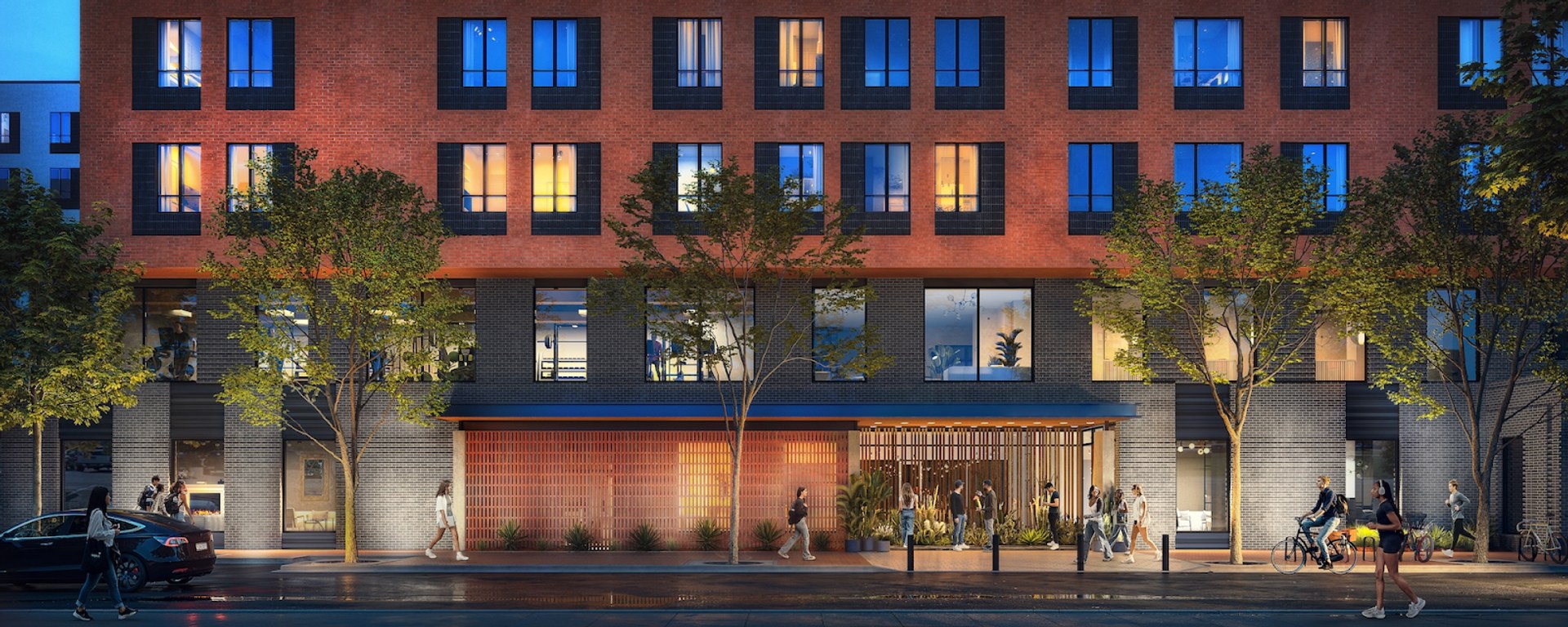

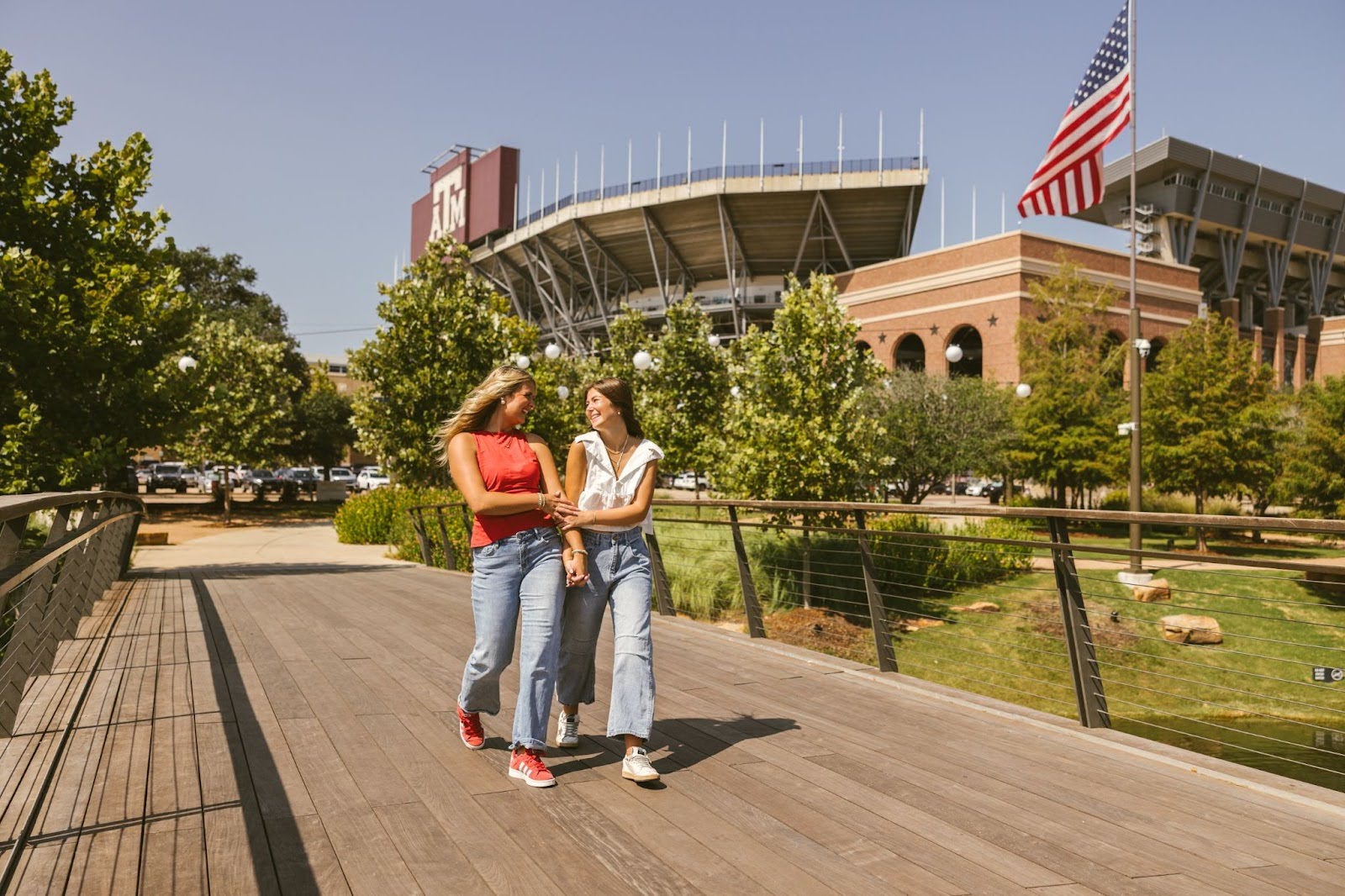
As you start budgeting for college, you may be wondering, “How much does it cost to live near campus?” and “How much should I actually save for an apartment?” As a college student myself, I know that housing costs can seem scary and confusing with so many different numbers and price ranges.
At The Jay, we’ve helped hundreds of college students answer these questions and plan for their college housing. That’s why we’ve written this article to answer the three most asked questions about the costs of living near Texas A&M:
- How do student apartments calculate rental rates?
- What factors affect the price of monthly rent?
- What other fees should you consider on top of your monthly rent?
Read Next: 6 Reasons to Lease Early Near Texas A&M
How Do Student Apartments Calculate Rental Rates?

In order to understand what your monthly rental rate might be, it’s important to understand how they’re calculated.
Types of Student Housing Leases
If you decide to lease a house or traditional apartment, you’re more than likely going to be offered a traditional lease. A traditional lease is a contract for the entire house or apartment under one monthly rent that you and your roommates are responsible for dividing up. This means that each month, it will be you and your roommates’ responsibilities to send one person each portion of rent and then send the total to your landlord.
Purpose-built student housing operates differently by offering individual, or by-the-bed, leases. Individual leases are offered to each individual rather than for the unit as a whole. This means that you are only responsible for sending your fixed monthly rate to your landlord each month. Under this contract, you don’t have to worry about whether or not your roommates will pay their portion of the rent or if you’ll have to pick up the slack.
Read Next: How to Sign a Lease: A Step-by-Step Guide for Texas A&M Students
When looking for student housing, it’s important to know if your rent is listed as by-the-bed or for the entire apartment or house. Generally, individual leases are considered more stable because they aren’t dependent on your roommates paying their portion of the total rent.
Length of Your Lease
It’s also important to know how long of a lease you’re required to sign.
For purpose-built student housing, a 12-month lease is standard. Move-in dates will typically be around mid-August, and move-out dates will typically be at the end of July. Sometimes, student housing apartments will have the option for early move-in, usually offered starting in early August.
Some apartments will offer 6-month leases for students who plan to graduate early or study abroad, and individual leases also make the process of subletting easier. It’s important to know whether or not you’ll need to sublet or sign a shorter lease so that you don’t end up paying rent for an apartment you aren’t living in.
Most traditional leases in an apartment or house are offered for 12-months. Some properties will offer 6-month leases, but these will usually come at a higher monthly cost. This is generally to offset the risk that the property will be vacant after the short-term tenant moves out.
With on-campus housing, the lease is typically offered as a nine-month contract to be occupied during the Fall and Spring semesters. Generally, these housing options will close during school breaks and the summer, so residents are required to move out during these time periods.
What Factors Affect the Price of Monthly Rent?
Rental rates vary greatly based on several key factors. Housing type, floorplans, building age and room features can all affect your monthly rent.

1. Housing Type
When looking for housing in College Station, you have lots of options. For undergraduate students, the most popular types of housing are:
- Residence Halls
- Greek Life Housing
- Student Housing Apartments
- Traditional Apartments
- Traditional Houses
Typically, housing that offers more luxurious amenity packages, like fitness centers, pools and study lounges, or options that offer meal plans will come at a higher price.
Read Next: What Types of Housing are Available to Texas A&M Students?
Residence Halls
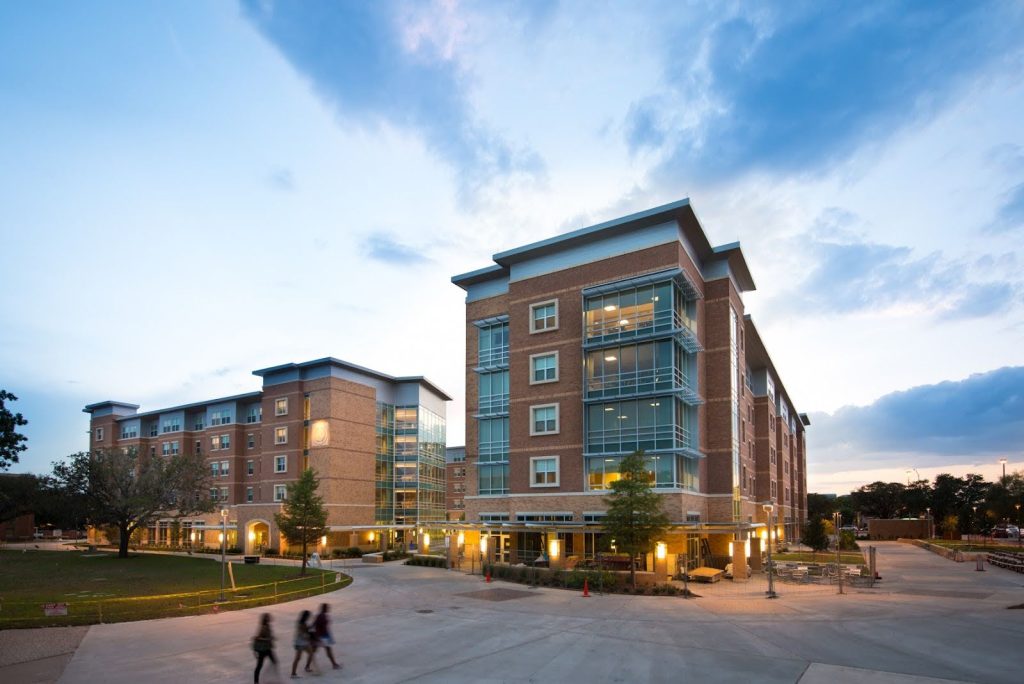
Residence halls, also known as dormitories, are an on-campus housing option for Texas A&M students. These are typically owned by the university, and while some schools require freshmen to live on-campus their first year, Texas A&M does not. However, many freshmen and underclassmen do choose to live in dorms for the convenience of location, meal plan and meeting other students. Meal plans are an additional cost for Texas A&M students typically ranging from $1,500 to $2,450 per semester.
At Texas A&M, residence hall contracts are offered for 9 months. This includes Fall and Spring semesters, but students are not allowed to stay in dormitories over Winter or Spring break. However, Texas A&M offers a separate 9 ½ month contract for students who choose to live in University Apartments. Residents are allowed to stay in their unit over Winter break. These apartments also offer summer housing for an additional $1,000.
University Housing at Texas A&M tends to fall on the mid-to-high end of the student housing price range. Upon publication in January 2026, residence hall housing ranges from $3,005 to $7,343 per semester. University Apartments offer slightly higher rates ranging from $5,050 to $6,790 per semester. The price for these apartments is expected to increase by about 6% during the 2026-2027 school year.
If you’d like to learn more about rates for Texas A&M University Housing, visit the Residence Life page.
Read Next: Ultimate Guide to Texas A&M Meal Plans
Greek Life Housing
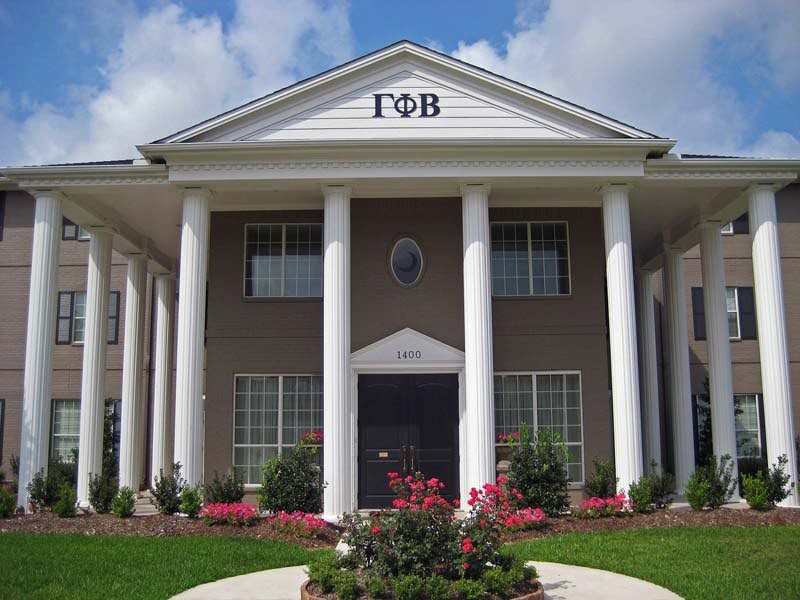
Greek Life at Texas A&M is a vibrant part of campus culture, with over 50 fraternities and sororities representing more than 10% of the student body as of 2021. Many members choose to live in their chapter houses after their first year for the sense of community they provide.
Greek houses are privately maintained by each chapter and admittance and monthly fees are determined by individual chapters. Members are typically charged a flat rent fee that includes rent, chapter dues, utilities and a meal plan, although it varies by house.
Many sorority and fraternity houses close for the summer, so they typically offer 9-month leases. Some Greek houses will give members the option to choose a 6-month lease to help members who want to graduate early or study abroad.
Most Greek members choose to live in-house during their sophomore or junior year. This can be a convenient option to bundle the cost of chapter dues, rent and a meal plan. For sororities, The Department of Student Activities estimates this number to be anywhere from $4,135 to $5,635 per semester as of June 2025.
If you’re looking into living in-house during your time at Texas A&M, be sure to look at your chapter’s specific housing policies and rent requirements, as they may vary.
Student Housing Apartments
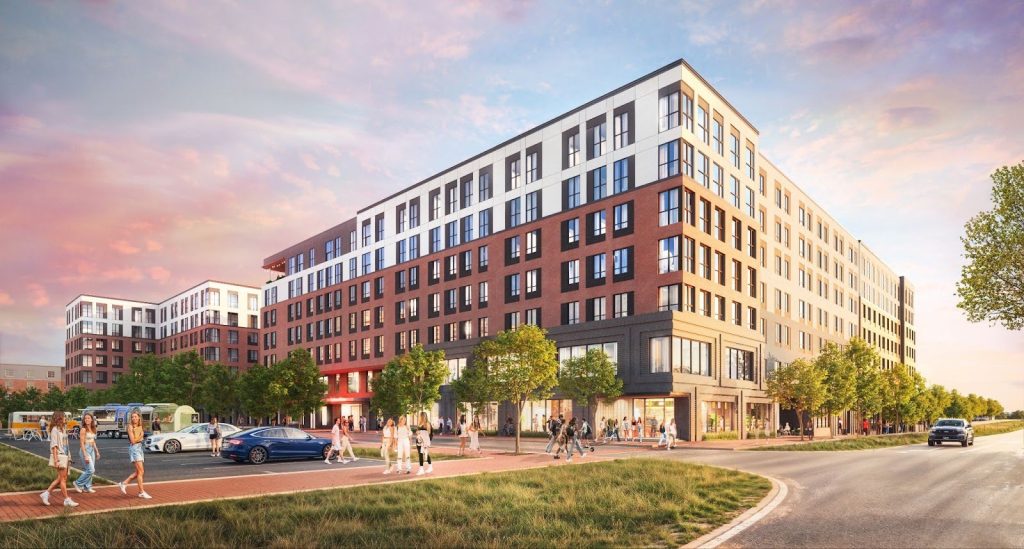
One of the most popular options for undergraduate living is purpose-built student housing apartments. These properties are designed specifically for college students, so they generally include amenities like fitness centers, pools, study lounges, computer labs and in-unit washers and dryers.
In general, student housing complexes typically fall in the mid-high range of housing costs. However, they offer the convenience of furnished units and individual leases, plus community spaces for studying, socializing and relaxing. These properties typically offer 12-month leases to accommodate school year and summer housing needs, but there is flexibility with lease length.
Traditional Apartments
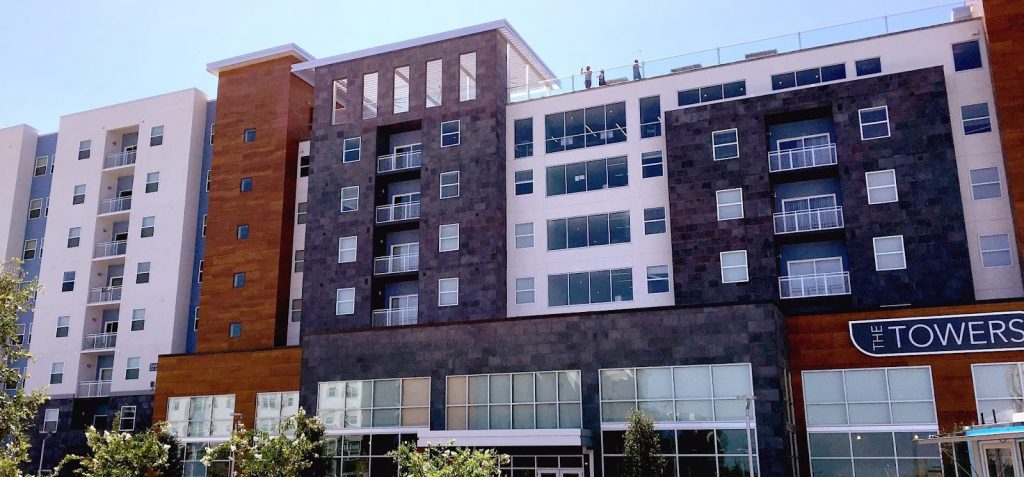
Traditional apartments can be an option for undergraduate students who prefer a no-frills, standard approach to housing. Because they’re not designed for college students, these properties will typically offer traditional leases and basic amenities, helping to contribute to a slightly lower monthly rent.
As of February 2026, the average rent for a traditional apartment in College Station was about $1,752 per month. This range can be influenced by number of rooms, age of building, renovations, proximity to campus, etc.
These apartments will generally offer 12-month leases. Subletting can be more difficult with a traditional lease as opposed to student housing because all roommates must agree on the transfer of rent responsibilities to a new roommate, there might be discussion around re-distributing rent proportions and all roommates must sign an updated lease.
Traditional Houses
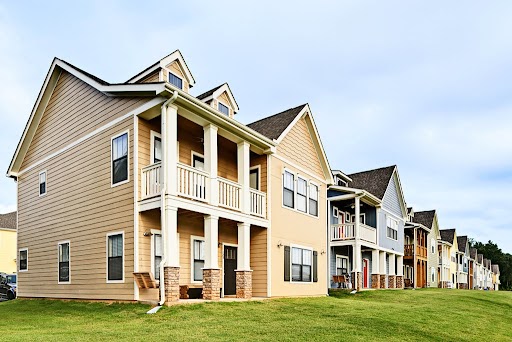
Another popular option for Texas A&M undergrads is renting a traditional house. Because of College Station’s extensive residential subdivisions, there are many houses available for college students to rent.
Similarly to traditional apartments, houses will typically offer traditional leases for roommates to divide amongst themselves. They generally won’t offer amenities like fitness centers or computer labs, but some houses might have pools or hot tubs. They are also typically unfurnished, so it’s important to consider the cost of furniture when budgeting for traditional housing.
Because the homes are typically privately owned, prices vary widely. It can be anywhere from $500 to $1,500 per person, per month depending on the home’s size and proximity to campus. Building age can also play a role in determining rent per month for a house in College Station.
2. Floorplans
Once you’ve decided which type of student housing best fits your budget and your lifestyle, you can begin to consider floorplan options that may influence the price of your monthly rent.
Generally, the more roommates you have, the cheaper your rent will be. This is especially true for traditional houses and apartments, where the more people your total rent is divided between, the less expensive it is.
As well, housing with shared bedrooms or bathrooms will generally be the cheapest. Apartments with individual rooms and bathrooms, especially in Residence Halls on campus, will be more expensive.
3. Building Age
In College Station, the median age of property construction is 1998. This means that about half of properties in College Station were constructed within the past 25 years, with 23.2% of those homes built in 2010. This means the houses are fairly young, with the price of rent generally decreasing as the buildings get older.
The exceptions to this trend are Residence Halls and University Apartments. Because they are owned by Texas A&M, building age typically plays a much smaller role in determining monthly rent. Price increases for these houses typically mirrors increases in tuition regardless of building age.
The price of the building will also typically reflect the amenities offered. New developments will typically offer more luxurious, modern amenities, while older complexes will usually have a smaller range with less offerings.
4. Unit / Room Features
The last factor that may influence your monthly rent are room or unit features. While it may not seem like an obvious factor, something as small as a window can cause an increase in your rent.
Ultimately, while the number of bedrooms and bathrooms are the biggest factors in driving price, you will also want to consider asking questions about other factors that may impact your rent, like:
- Is my unit furnished?
- Does my unit have a balcony?
- Do I have my own bathroom?
- Is my bathroom attached to my bedroom?
- Do I have windows in my bedroom?
- Does my unit have a washer and dryer?
- What floor am I on? Is it considered quieter? Does it have better views?
If the answer to any of the above questions is, “Yes!” you might be facing an increased rent. These factors are typically considered favorable for apartment units and may drive a higher monthly rate.
What Other Fees Should You Consider On Top of Your Monthly Rent?
Aside from the specific features of your space, there are additional aspects of renting that can add on to your monthly rate. These costs may include:
- Parking
- *Utilities
- Rental Insurance
- Trash
- Moving Fees
- Wi-Fi
- Cable TV
- Pet Fees
- Technology Packages
- Security Deposit
While this list applies to mainly traditional or student housing apartment complexes, there are similar fees that apply to dorms and houses as well.
*A traditional lease, like in a house or traditional apartment, will not include utilities in their monthly rate. This means that it is you and your roommates’ responsibility to set up accounts with services like gas, water, Wi-Fi and trash and pay those monthly fees individually. The utilities covered by student apartments will vary by the property, so be sure to ask what is covered in your lease.
We know that there are so many factors that can affect your monthly rent, and it can make budgeting for your future College Station home difficult to estimate. We hope this article has helped you determine what might impact your rate and give you a good starting point to figure out the best budget and housing option for you.
If you have any questions or want to learn more about student housing costs, contact our leasing team at The Jay! We’ll be happy to assist you on your College Station housing search.

Audrey
Audrey is a Property Marketing Intern for The Jay. She's a senior at Texas A&M University, majoring in Communications. Her favorite drink to order is an iced matcha latte with lavender syrup!
Published On: March 23, 2026
Last Updated On: June 30, 2026